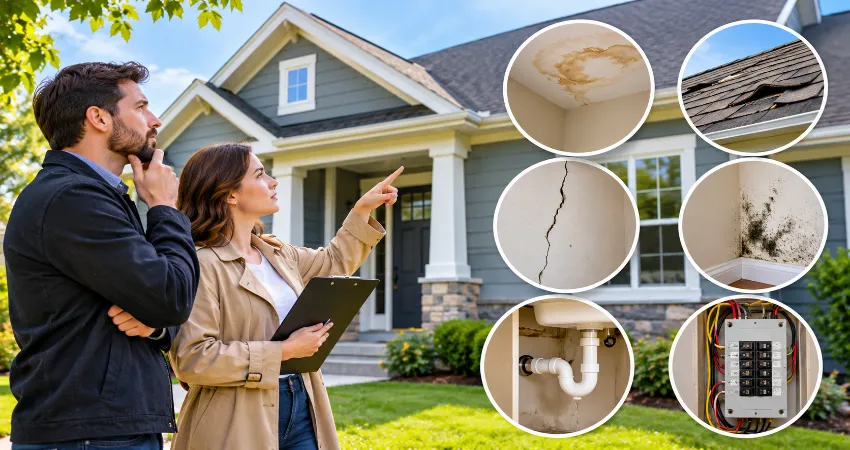
Touring a potential home is exciting, especially when the property appears to match your budget, preferred location, and lifestyle. Fresh paint, attractive furniture, and beautiful landscaping can create an excellent first impression. However, appearances do not always reveal the property’s actual condition. Knowing which warning signs to look for during a home tour can help you avoid unexpected repairs and make a more informed purchasing decision.
Some property problems are immediately noticeable, while others require closer observation or professional evaluation. Water stains, unusual odors, damaged roofing, and questionable electrical installations may indicate concerns worth investigating. Even seemingly minor issues can become expensive when multiple repairs are necessary.
Before making an offer, take time to examine the property beyond its decorative features. The following 12 home tour red flags explain what to notice, why each issue matters, and what steps to take before committing to a purchase.
1. Cracks in the Foundation or Walls
Cracks in foundation walls, ceilings, or interior surfaces deserve attention during a property viewing. Small hairline cracks sometimes result from normal material movement, but widening cracks, horizontal foundation cracks, and separation around doors or windows may indicate structural concerns.
Look for uneven floors, sticking doors, and visible gaps between building components. These symptoms do not automatically confirm foundation failure, but several appearing together justify further investigation. Ask whether previous structural repairs were completed and request documentation. A qualified structural engineer can assess significant movement and recommend appropriate solutions.
2. Water Stains and Signs of Moisture Damage
Brown ceiling marks, bubbling paint, swollen baseboards, and discolored walls may indicate past or ongoing water intrusion. Inspect areas beneath bathrooms, around windows, and near basement walls. Even when a surface appears dry, previous moisture damage may remain hidden behind finishing materials.
Ask the seller about leaks, flooding, and completed repairs. According to the U.S. Environmental Protection Agency (EPA), controlling moisture is essential for preventing mold growth. A professional inspection can help determine whether the original water source has been corrected.
3. Persistent Musty or Unusual Odors
A persistent musty smell is another warning sign that should not be overlooked. Odors may originate from damp materials, plumbing leaks, poorly ventilated spaces, or hidden mold. Strong fragrances throughout a property can also make underlying smells difficult to identify, although they are not evidence of concealment.
Pay particular attention to closets, bathrooms, basements, and spaces near exterior walls. If an odor remains unexplained, request an appropriate moisture assessment. Identifying and correcting its source is more important than temporarily covering the smell with cleaning products or air fresheners.
4. Damaged or Aging Roof
A roof is one of the property’s most important protective components. Missing shingles, sagging roof sections, damaged flashing, and deteriorated gutters may suggest maintenance problems. Water marks in the attic can also indicate previous roof leakage.
Ask about the roof’s installation date, maintenance records, and available warranties. Roofing materials have different service lives depending on their type, installation quality, climate, and maintenance. Instead of relying solely on age, request a professional evaluation of its current condition and likely repair requirements.
5. Outdated or Unsafe Electrical Systems
Electrical problems can create serious safety concerns and increase renovation expenses. During a home tour, notice flickering lights, damaged outlets, exposed wiring, or switches that appear improperly installed. These observations may indicate electrical deficiencies, although their causes require professional diagnosis.
Ask whether the electrical panel and wiring have been updated. Older wiring is not necessarily defective, but its condition and suitability for modern electrical demands should be evaluated. Never open electrical panels or handle exposed wiring yourself. A licensed electrician can investigate suspected problems and identify necessary improvements.
6. Plumbing Leaks and Poor Drainage
Plumbing problems can remain unnoticed until they damage cabinets, flooring, or walls. Look beneath accessible sinks for staining, corrosion, and moisture. With permission, operate faucets and observe whether water drains normally. Slow drainage or unusual pipe noises may warrant further evaluation.
Ask about the water heater’s age, previous plumbing repairs, and whether the property uses municipal sewer service or a private septic system. A standard home inspection may not evaluate underground sewer lines. If recurring drainage problems are suspected, a separate sewer camera inspection may be worthwhile.
7. Mold Growth in Hidden or Damp Areas
Visible mold-like growth around windows, beneath sinks, or in basements should prompt additional questions. Mold can develop when moisture accumulates, especially in poorly ventilated areas. It may also occur behind drywall, under carpeting, or around leaking pipes.
Do not assume that painting over a discolored surface permanently solves the problem. The EPA emphasizes correcting the underlying moisture source when addressing mold. If extensive growth or concealed damage is suspected, consult a qualified remediation or building professional before deciding how to proceed.
8. Doors and Windows That Do Not Function Properly
Doors that stick, windows that refuse to close, and noticeable gaps around frames can signal maintenance needs. Possible explanations include worn hardware, installation problems, moisture-related swelling, or movement in the surrounding structure.
With permission, test several doors and windows throughout the house. Look for condensation between insulated glass panes, damaged seals, and drafts. Individual hardware repairs may be straightforward, but widespread alignment problems deserve closer examination. Poorly sealed openings may also contribute to uncomfortable indoor temperatures and unnecessary energy consumption.
9. Problems With Heating and Cooling Systems
Heating, ventilation, and air conditioning systems significantly affect comfort and operating expenses. Unusual mechanical noises, inconsistent room temperatures, neglected filters, or visible water near equipment may indicate that maintenance or repairs are needed.
Ask for the installation dates, service history, and warranty information for major equipment. System age alone does not establish whether replacement is necessary. Request appropriate operational testing during the inspection, recognizing that weather conditions can limit some tests. A qualified HVAC technician can provide a more detailed assessment when concerns arise.
10. Poor Exterior Drainage and Standing Water
Water collecting near the foundation can contribute to basement moisture and building deterioration. Examine whether surrounding ground directs rainfall away from the house. Blocked gutters, disconnected downspouts, and low areas holding water deserve attention.
Consider visiting after rainfall when practical. Also investigate the property’s flood exposure rather than judging risk solely from its appearance. For U.S. properties, the FEMA Flood Map Service Center provides official flood hazard mapping. Remember that flooding can occur outside designated high-risk zones.
11. Evidence of Pest Activity
Termites, rodents, and other pests can cause property damage or create sanitation concerns. Watch for droppings, damaged wood, mud tubes near foundations, and unusual openings around exterior walls. These observations are reasons to investigate, not definitive proof of an active infestation.
Ask whether previous pest treatments were performed and whether transferable warranties exist. A specialized pest inspection may be necessary because a general home inspection does not always include comprehensive wood-destroying organism assessments. Understanding the extent of any infestation helps buyers estimate treatment and repair costs.
12. Poorly Documented Renovations and Repairs
Freshly renovated interiors can be appealing, but attractive finishes do not guarantee that underlying work was completed correctly. Uneven tile installation, unfinished electrical connections, poorly fitted fixtures, and inconsistent construction details may raise questions about workmanship.
Ask whether major renovations required permits and whether inspections were completed. Requirements vary by jurisdiction and project type. Request available contractor invoices, warranties, permits, and inspection records. Missing documentation does not automatically establish defective work, but it increases the importance of verifying the renovation’s quality and compliance.
How to Evaluate Home Tour Red Flags Before Buying?
Not every warning sign requires abandoning a property purchase. A worn window seal is different from substantial foundation movement or widespread water damage. The most useful approach is to compare the potential safety implications, repair complexity, and total ownership costs.
For example, replacing deteriorated caulking may require limited work, while recurring basement flooding may involve drainage improvements, waterproofing, and damaged material replacement. Prioritize investigating problems that could affect structural stability, health, safety, or major building systems.
Consider hiring an independent, qualified home inspector and reviewing the written findings carefully. The American Society of Home Inspectors (ASHI) explains that a standard inspection evaluates readily accessible, visually observable systems and components. Specialized testing may still be necessary for issues outside that scope.
For older U.S. homes, ask about additional environmental concerns. The EPA recommends radon testing when purchasing a home. Most residential properties built before 1978 are also subject to federal lead-based paint disclosure requirements. Review applicable disclosures and arrange further evaluations when appropriate.
Frequently Asked Questions
1. What is the biggest red flag during a home tour?
Major structural concerns and ongoing water intrusion deserve particularly careful investigation because repairs can be complicated and expensive. However, the seriousness of any issue depends on its actual cause and extent. A professional evaluation is more reliable than judging the problem through appearance alone.
2. Should I avoid buying a house with foundation cracks?
Not necessarily. Minor cracks can occur without significant structural damage. However, large, expanding, or unusual cracks may indicate movement that needs evaluation. Before deciding, ask a qualified structural professional to determine the cause, severity, and potential repair requirements.
3. Can a freshly painted house hide problems?
Fresh paint can improve appearance and cover old stains, but it does not resolve moisture intrusion or structural defects. New paint is not automatically suspicious. Examine surrounding surfaces, request maintenance records, and investigate any uneven repairs or unexplained discoloration.
4. How can I identify water damage during a home viewing?
Look for ceiling stains, peeling paint, swollen wood, damp flooring, and musty odors. Check accessible areas around plumbing fixtures, windows, and basement walls. These clues can suggest moisture problems, but a professional may need specialized equipment to investigate concealed damage.
5. Is a home inspection necessary for a newer house?
Yes, an independent inspection can be beneficial even for newly constructed properties. Installation mistakes, drainage concerns, and incomplete work can occur regardless of a building’s age. A qualified inspector can document visible deficiencies before the purchase is finalized.
6. What should I check in the basement during a home tour?
Inspect accessible foundation walls, floor surfaces, drainage areas, and visible plumbing. Watch for water stains, unusual odors, cracking, or evidence of previous flooding. Ask whether the basement has experienced seepage and whether waterproofing or drainage improvements were installed.
7. How do I know whether the roof needs replacement?
Missing roofing materials, visible sagging, persistent leakage, and extensive deterioration can indicate significant concerns. Nevertheless, a roof’s remaining service life cannot reliably be determined from appearance alone. Request maintenance records and an evaluation from a qualified roofing professional.
8. Can I request repairs after discovering problems?
Buyers can often request repairs, a price adjustment, or another negotiated solution, depending on the transaction and contract terms. Sellers are not automatically obligated to accept every request. Obtain professional findings and written repair estimates before discussing possible arrangements.
9. What documents should I request before purchasing a house?
Useful records include seller disclosures, inspection reports, available building permits, renovation invoices, equipment warranties, and maintenance history. For older properties, review applicable environmental disclosures. The specific documents available and legally required depend on the location and type of property.
10. When should I walk away from a home purchase?
Consider reconsidering a purchase when major problems remain unexplained, professional inspections reveal extensive defects, or realistic repair costs exceed your financial capacity. Unresolved safety concerns and repeated refusal to provide important information also deserve attention. Review contractual deadlines and obligations before making a final decision.
Conclusion
Recognizing red flags during a home tour can help buyers look beyond attractive finishes and evaluate a property’s actual condition. Structural movement, moisture damage, roofing defects, outdated systems, and undocumented renovations deserve particular attention.
Take notes, request relevant records, and arrange qualified inspections when concerns arise. A thoughtful evaluation allows you to compare properties more confidently, plan for future expenses, and make a homebuying decision based on evidence rather than appearances.
Leave a Reply