Category: Real Estate

  • Top 12 Red Flags To Watch For During A Home Tour

    Top 12 Red Flags To Watch For During A Home Tour

    Touring a potential home is exciting, especially when the property appears to match your budget, preferred location, and lifestyle. Fresh paint, attractive furniture, and beautiful landscaping can create an excellent first impression. However, appearances do not always reveal the property’s actual condition. Knowing which warning signs to look for during a home tour can help you avoid unexpected repairs and make a more informed purchasing decision.

    Some property problems are immediately noticeable, while others require closer observation or professional evaluation. Water stains, unusual odors, damaged roofing, and questionable electrical installations may indicate concerns worth investigating. Even seemingly minor issues can become expensive when multiple repairs are necessary.

    Before making an offer, take time to examine the property beyond its decorative features. The following 12 home tour red flags explain what to notice, why each issue matters, and what steps to take before committing to a purchase.

    1. Cracks in the Foundation or Walls

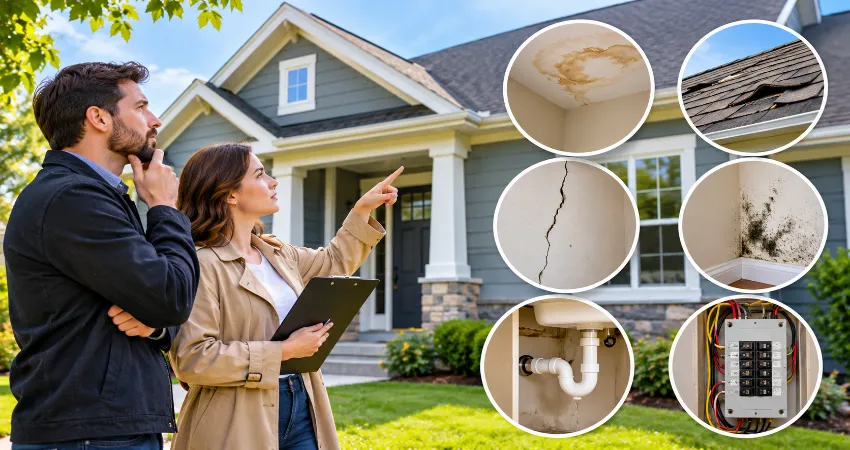
    Cracks in foundation walls, ceilings, or interior surfaces deserve attention during a property viewing. Small hairline cracks sometimes result from normal material movement, but widening cracks, horizontal foundation cracks, and separation around doors or windows may indicate structural concerns.

    Look for uneven floors, sticking doors, and visible gaps between building components. These symptoms do not automatically confirm foundation failure, but several appearing together justify further investigation. Ask whether previous structural repairs were completed and request documentation. A qualified structural engineer can assess significant movement and recommend appropriate solutions.

    2. Water Stains and Signs of Moisture Damage

    Brown ceiling marks, bubbling paint, swollen baseboards, and discolored walls may indicate past or ongoing water intrusion. Inspect areas beneath bathrooms, around windows, and near basement walls. Even when a surface appears dry, previous moisture damage may remain hidden behind finishing materials.

    Ask the seller about leaks, flooding, and completed repairs. According to the U.S. Environmental Protection Agency (EPA), controlling moisture is essential for preventing mold growth. A professional inspection can help determine whether the original water source has been corrected.

    3. Persistent Musty or Unusual Odors

    A persistent musty smell is another warning sign that should not be overlooked. Odors may originate from damp materials, plumbing leaks, poorly ventilated spaces, or hidden mold. Strong fragrances throughout a property can also make underlying smells difficult to identify, although they are not evidence of concealment.

    Pay particular attention to closets, bathrooms, basements, and spaces near exterior walls. If an odor remains unexplained, request an appropriate moisture assessment. Identifying and correcting its source is more important than temporarily covering the smell with cleaning products or air fresheners.

    4. Damaged or Aging Roof

    A roof is one of the property’s most important protective components. Missing shingles, sagging roof sections, damaged flashing, and deteriorated gutters may suggest maintenance problems. Water marks in the attic can also indicate previous roof leakage.

    Ask about the roof’s installation date, maintenance records, and available warranties. Roofing materials have different service lives depending on their type, installation quality, climate, and maintenance. Instead of relying solely on age, request a professional evaluation of its current condition and likely repair requirements.

    5. Outdated or Unsafe Electrical Systems

    Electrical problems can create serious safety concerns and increase renovation expenses. During a home tour, notice flickering lights, damaged outlets, exposed wiring, or switches that appear improperly installed. These observations may indicate electrical deficiencies, although their causes require professional diagnosis.

    Ask whether the electrical panel and wiring have been updated. Older wiring is not necessarily defective, but its condition and suitability for modern electrical demands should be evaluated. Never open electrical panels or handle exposed wiring yourself. A licensed electrician can investigate suspected problems and identify necessary improvements.

    6. Plumbing Leaks and Poor Drainage

    Plumbing problems can remain unnoticed until they damage cabinets, flooring, or walls. Look beneath accessible sinks for staining, corrosion, and moisture. With permission, operate faucets and observe whether water drains normally. Slow drainage or unusual pipe noises may warrant further evaluation.

    Ask about the water heater’s age, previous plumbing repairs, and whether the property uses municipal sewer service or a private septic system. A standard home inspection may not evaluate underground sewer lines. If recurring drainage problems are suspected, a separate sewer camera inspection may be worthwhile.

    7. Mold Growth in Hidden or Damp Areas

    Visible mold-like growth around windows, beneath sinks, or in basements should prompt additional questions. Mold can develop when moisture accumulates, especially in poorly ventilated areas. It may also occur behind drywall, under carpeting, or around leaking pipes.

    Do not assume that painting over a discolored surface permanently solves the problem. The EPA emphasizes correcting the underlying moisture source when addressing mold. If extensive growth or concealed damage is suspected, consult a qualified remediation or building professional before deciding how to proceed.

    8. Doors and Windows That Do Not Function Properly

    Doors that stick, windows that refuse to close, and noticeable gaps around frames can signal maintenance needs. Possible explanations include worn hardware, installation problems, moisture-related swelling, or movement in the surrounding structure.

    With permission, test several doors and windows throughout the house. Look for condensation between insulated glass panes, damaged seals, and drafts. Individual hardware repairs may be straightforward, but widespread alignment problems deserve closer examination. Poorly sealed openings may also contribute to uncomfortable indoor temperatures and unnecessary energy consumption.

    9. Problems With Heating and Cooling Systems

    Heating, ventilation, and air conditioning systems significantly affect comfort and operating expenses. Unusual mechanical noises, inconsistent room temperatures, neglected filters, or visible water near equipment may indicate that maintenance or repairs are needed.

    Ask for the installation dates, service history, and warranty information for major equipment. System age alone does not establish whether replacement is necessary. Request appropriate operational testing during the inspection, recognizing that weather conditions can limit some tests. A qualified HVAC technician can provide a more detailed assessment when concerns arise.

    10. Poor Exterior Drainage and Standing Water

    Water collecting near the foundation can contribute to basement moisture and building deterioration. Examine whether surrounding ground directs rainfall away from the house. Blocked gutters, disconnected downspouts, and low areas holding water deserve attention.

    Consider visiting after rainfall when practical. Also investigate the property’s flood exposure rather than judging risk solely from its appearance. For U.S. properties, the FEMA Flood Map Service Center provides official flood hazard mapping. Remember that flooding can occur outside designated high-risk zones.

    11. Evidence of Pest Activity

    Termites, rodents, and other pests can cause property damage or create sanitation concerns. Watch for droppings, damaged wood, mud tubes near foundations, and unusual openings around exterior walls. These observations are reasons to investigate, not definitive proof of an active infestation.

    Ask whether previous pest treatments were performed and whether transferable warranties exist. A specialized pest inspection may be necessary because a general home inspection does not always include comprehensive wood-destroying organism assessments. Understanding the extent of any infestation helps buyers estimate treatment and repair costs.

    12. Poorly Documented Renovations and Repairs

    Freshly renovated interiors can be appealing, but attractive finishes do not guarantee that underlying work was completed correctly. Uneven tile installation, unfinished electrical connections, poorly fitted fixtures, and inconsistent construction details may raise questions about workmanship.

    Ask whether major renovations required permits and whether inspections were completed. Requirements vary by jurisdiction and project type. Request available contractor invoices, warranties, permits, and inspection records. Missing documentation does not automatically establish defective work, but it increases the importance of verifying the renovation’s quality and compliance.

    How to Evaluate Home Tour Red Flags Before Buying?

    Not every warning sign requires abandoning a property purchase. A worn window seal is different from substantial foundation movement or widespread water damage. The most useful approach is to compare the potential safety implications, repair complexity, and total ownership costs.

    For example, replacing deteriorated caulking may require limited work, while recurring basement flooding may involve drainage improvements, waterproofing, and damaged material replacement. Prioritize investigating problems that could affect structural stability, health, safety, or major building systems.

    Consider hiring an independent, qualified home inspector and reviewing the written findings carefully. The American Society of Home Inspectors (ASHI) explains that a standard inspection evaluates readily accessible, visually observable systems and components. Specialized testing may still be necessary for issues outside that scope.

    For older U.S. homes, ask about additional environmental concerns. The EPA recommends radon testing when purchasing a home. Most residential properties built before 1978 are also subject to federal lead-based paint disclosure requirements. Review applicable disclosures and arrange further evaluations when appropriate.

    Frequently Asked Questions

    1. What is the biggest red flag during a home tour?

    Major structural concerns and ongoing water intrusion deserve particularly careful investigation because repairs can be complicated and expensive. However, the seriousness of any issue depends on its actual cause and extent. A professional evaluation is more reliable than judging the problem through appearance alone.

    2. Should I avoid buying a house with foundation cracks?

    Not necessarily. Minor cracks can occur without significant structural damage. However, large, expanding, or unusual cracks may indicate movement that needs evaluation. Before deciding, ask a qualified structural professional to determine the cause, severity, and potential repair requirements.

    3. Can a freshly painted house hide problems?

    Fresh paint can improve appearance and cover old stains, but it does not resolve moisture intrusion or structural defects. New paint is not automatically suspicious. Examine surrounding surfaces, request maintenance records, and investigate any uneven repairs or unexplained discoloration.

    4. How can I identify water damage during a home viewing?

    Look for ceiling stains, peeling paint, swollen wood, damp flooring, and musty odors. Check accessible areas around plumbing fixtures, windows, and basement walls. These clues can suggest moisture problems, but a professional may need specialized equipment to investigate concealed damage.

    5. Is a home inspection necessary for a newer house?

    Yes, an independent inspection can be beneficial even for newly constructed properties. Installation mistakes, drainage concerns, and incomplete work can occur regardless of a building’s age. A qualified inspector can document visible deficiencies before the purchase is finalized.

    6. What should I check in the basement during a home tour?

    Inspect accessible foundation walls, floor surfaces, drainage areas, and visible plumbing. Watch for water stains, unusual odors, cracking, or evidence of previous flooding. Ask whether the basement has experienced seepage and whether waterproofing or drainage improvements were installed.

    7. How do I know whether the roof needs replacement?

    Missing roofing materials, visible sagging, persistent leakage, and extensive deterioration can indicate significant concerns. Nevertheless, a roof’s remaining service life cannot reliably be determined from appearance alone. Request maintenance records and an evaluation from a qualified roofing professional.

    8. Can I request repairs after discovering problems?

    Buyers can often request repairs, a price adjustment, or another negotiated solution, depending on the transaction and contract terms. Sellers are not automatically obligated to accept every request. Obtain professional findings and written repair estimates before discussing possible arrangements.

    9. What documents should I request before purchasing a house?

    Useful records include seller disclosures, inspection reports, available building permits, renovation invoices, equipment warranties, and maintenance history. For older properties, review applicable environmental disclosures. The specific documents available and legally required depend on the location and type of property.

    10. When should I walk away from a home purchase?

    Consider reconsidering a purchase when major problems remain unexplained, professional inspections reveal extensive defects, or realistic repair costs exceed your financial capacity. Unresolved safety concerns and repeated refusal to provide important information also deserve attention. Review contractual deadlines and obligations before making a final decision.

    Conclusion

    Recognizing red flags during a home tour can help buyers look beyond attractive finishes and evaluate a property’s actual condition. Structural movement, moisture damage, roofing defects, outdated systems, and undocumented renovations deserve particular attention.

    Take notes, request relevant records, and arrange qualified inspections when concerns arise. A thoughtful evaluation allows you to compare properties more confidently, plan for future expenses, and make a homebuying decision based on evidence rather than appearances.
  • Top 12 Beach Towns Where Homes Are Still Affordable

    Top 12 Beach Towns Where Homes Are Still Affordable

    Owning a home near the beach sounds expensive, especially when popular coastal destinations are known for luxury properties and high living costs. However, several beach towns across the United States offer comparatively affordable housing, attractive surroundings, and opportunities to enjoy coastal living without purchasing a multimillion-dollar property.

    From Mississippi’s Gulf Coast to the Pacific shoreline of Washington, buyers can find communities with accessible beaches, local attractions, and a variety of housing options. Some offer relatively inexpensive single-family homes, while others provide lower-priced condominiums that make coastal ownership more attainable.

    This guide explores 12 affordable beach towns using Realtor.com’s April 2025 median listing prices as a consistent historical benchmark. These figures are not current asking prices or guaranteed purchase costs. Alongside housing prices, we examine lifestyle benefits, potential drawbacks, and practical considerations that can help buyers make informed decisions.

    How Were These Affordable Beach Towns Selected?

    The locations come from Realtor.com’s May 2025 coastal affordability analysis. Researchers identified beach communities using federal beach-location data and compared median asking prices for homes, including condominiums but excluding mobile homes. Each location needed at least 50 active listings, and the rankings allowed no more than two towns per state.

    Because smaller condominiums can influence median prices, an affordable town does not necessarily offer inexpensive detached beachfront houses. Buyers should compare similar property types, locations, and ongoing expenses before making decisions.

    1. Pascagoula, Mississippi

    April 2025 median listing price: $165,610

    Pascagoula ranked as the most affordable community in the study. Situated along Mississippi’s Gulf Coast, the city combines waterfront recreation, established residential neighborhoods, and a working local economy. Residents can enjoy Buffett Beach, fishing opportunities, and a historic downtown.

    Its relatively low entry price makes Pascagoula worth investigating for buyers seeking a primary residence rather than an expensive vacation property. However, the condition of older homes, hurricane exposure, flood insurance, and distance from the shoreline should be evaluated carefully.

    2. Deerfield Beach, Florida

    April 2025 median listing price: $211,750

    Deerfield Beach offers access to South Florida’s Atlantic coastline, restaurants, parks, and recreational facilities. Its beach and fishing pier attract visitors, while nearby urban areas provide additional employment and services.

    Condominiums contribute significantly to the town’s lower-priced housing opportunities. Buyers should examine association fees, building maintenance requirements, special assessments, and rental restrictions. A reasonably priced condominium can become considerably more expensive when substantial recurring charges are included.

    3. Atlantic City, New Jersey

    April 2025 median listing price: $242,450

    Atlantic City provides a recognizable Jersey Shore lifestyle with broad public beaches, an established boardwalk, restaurants, entertainment venues, and convenient coastal recreation. Its housing market includes condominiums and properties in older residential neighborhoods.

    For buyers wanting beach access in the Northeast, it offers an alternative to more expensive seaside communities. Property condition and neighborhood characteristics vary, so researching individual streets, maintenance expenses, and year-round living conditions is particularly important.

    4. Port Richey, Florida

    April 2025 median listing price: $254,925

    Port Richey is a small Gulf Coast community in the greater Tampa Bay region. Its appeal comes from waterfront surroundings, boating opportunities, parks, and a quieter residential atmosphere compared with larger Florida destinations.

    Buyers may find smaller houses at more accessible prices, although beach access differs from communities directly facing wide ocean beaches. Reviewing nearby public access points, commuting requirements, property elevation, and insurance estimates can help determine whether the location meets everyday needs.

    5. Port Lavaca, Texas

    April 2025 median listing price: $292,000

    Port Lavaca sits along the Texas Gulf Coast and offers a relaxed environment focused on waterfront recreation. Magnolia Beach, Bayfront Peninsula Park, and birdwatching opportunities make the area appealing to outdoor enthusiasts.

    The town may suit buyers who prefer a smaller community over a busy tourist destination. However, its employment market and access to specialized services are different from those of larger cities. Reviewing local job opportunities, storm preparedness, and transportation needs is essential before relocating.

    6. Myrtle Beach, South Carolina

    April 2025 median listing price: $299,000

    Myrtle Beach combines a popular shoreline with shopping, dining, recreation, and established visitor facilities. Its extensive condominium market creates options for buyers who cannot afford a traditional detached beach house.

    The area’s amenities may appeal to retirees, remote workers, and people seeking a second home. Nevertheless, seasonal traffic, condominium regulations, insurance costs, and association assessments deserve attention. Properties intended for occasional use may also have different financing and management requirements.

    7. Ocean Springs, Mississippi

    April 2025 median listing price: $302,500

    Ocean Springs offers a distinctive coastal atmosphere featuring art galleries, independent businesses, restaurants, and historic surroundings. Its location near Biloxi also provides access to additional employment, shopping, and regional services.

    The community may be particularly attractive to buyers seeking cultural activities alongside beach recreation. Homes differ considerably in age and location, making inspections important. Buyers should assess flood exposure and maintenance requirements rather than assuming that every home shares the same coastal risks.

    8. Corpus Christi, Texas

    April 2025 median listing price: $310,000

    Corpus Christi is a larger coastal city offering beaches, public facilities, educational institutions, and a more diversified urban environment than many small resort towns. Nearby coastal attractions include Padre Island National Seashore and Mustang Island State Park.

    Its size gives buyers a wider range of neighborhoods and housing styles. Families planning permanent relocation may appreciate its services and employment options. However, commuting distances, weather exposure, property taxes, and insurance expenses can vary substantially between neighborhoods.

    9. Surfside Beach, South Carolina

    April 2025 median listing price: $310,925

    Surfside Beach is a smaller coastal community along South Carolina’s Grand Strand. It features approximately two miles of oceanfront, a fishing pier, parks, and residential neighborhoods with convenient access to the beach.

    Compared with neighboring Myrtle Beach, its smaller scale may appeal to buyers seeking a quieter setting. Housing choices include condominiums and single-family homes, but proximity to the ocean can influence prices considerably. Buyers should investigate association rules, parking arrangements, and seasonal activity.

    10. Long Beach, Washington

    April 2025 median listing price: $403,188

    Long Beach offers Pacific Ocean scenery, expansive sandy shoreline, walking opportunities, and outdoor recreation. The Discovery Trail and nearby natural areas add to its appeal for people who prefer a nature-oriented lifestyle.

    Although its median asking price was higher than those of the Southern communities on this list, it provides a different coastal experience. Buyers should consider the cooler climate, local employment opportunities, potential tsunami exposure, and the availability of year-round services.

    11. Ocean Shores, Washington

    April 2025 median listing price: $409,900

    Ocean Shores sits along Washington’s Pacific coast and features sandy beaches, waterways, outdoor activities, and a relatively small residential community. The area’s canals and proximity to natural habitats provide additional recreational opportunities.

    It may appeal to buyers looking for coastal scenery without the atmosphere of a major metropolitan area. However, property-specific flood and tsunami exposure, moisture-related maintenance, and seasonal weather conditions should be considered alongside the asking price.

    12. Ocean City, Maryland

    April 2025 median listing price: $454,500

    Ocean City is an established Atlantic coastal destination known for its beaches, boardwalk, restaurants, and family attractions. Its condominium-heavy housing market provides opportunities for buyers seeking access to the shoreline without purchasing a large detached property.

    The community was the most expensive entry in the study, illustrating that affordability is relative. Buyers should carefully compare condominium fees, seasonal congestion, insurance requirements, and building financial records before selecting a property.

    Which Affordable Beach Town Offers the Best Value?

    Pascagoula stands out for its low historical median asking price, while Corpus Christi offers the conveniences of a larger city. Ocean Springs may appeal to buyers prioritizing arts and walkability, and Long Beach offers a Pacific Northwest alternative.

    For buyers prioritizing the lowest purchase price, Mississippi deserves attention. Those seeking more urban amenities may prefer Corpus Christi or Deerfield Beach. However, the best value depends on the total ownership cost, available housing type, neighborhood characteristics, and individual lifestyle needs.

    Important Costs to Consider Before Buying a Coastal Home

    A home’s asking price represents only part of its financial commitment. Buyers should calculate mortgage payments, property taxes, homeowners insurance, possible flood coverage, maintenance expenses, and association dues.

    Coastal properties may face additional exposure to storms, saltwater corrosion, flooding, and erosion. FEMA recommends checking flood-risk information, while the Consumer Financial Protection Bureau emphasizes evaluating the complete monthly ownership expense.

    Before making an offer, obtain property-specific insurance quotations, review flood maps, arrange a professional inspection, and investigate any condominium assessments. These steps can reveal costs that are not obvious from a listing price.

    Frequently Asked Questions

    1. What is the cheapest beach town to buy a home in?

    Pascagoula, Mississippi, ranked first in Realtor.com’s April 2025 analysis, with a median listing price of $165,610. However, this historical figure does not indicate what homes currently cost. Buyers should review recent comparable sales and available listings before establishing a realistic budget.

    2. Can you buy a beach home for under $250,000?

    Some coastal markets have offered properties below $250,000, particularly smaller condominiums and older houses. Availability depends on the location, condition, and current market. Buyers should confirm whether advertised prices include ownership arrangements or restrictions that affect the property’s usefulness.

    3. Are beachfront homes cheaper than homes farther inland?

    Direct beachfront properties typically command premiums because of their location and views. Homes several blocks inland may provide substantially lower prices while retaining reasonable beach access. Comparing similar properties at different distances from the water can reveal meaningful savings.

    4. Is Florida still an affordable place to buy coastal property?

    Certain Florida communities have historically offered lower-priced condominiums and smaller homes. However, insurance, association fees, and property taxes can materially affect affordability. Buyers should calculate total monthly expenses rather than relying exclusively on advertised purchase prices.

    5. Are beach towns suitable for year-round living?

    Many coastal communities support permanent residents, but their services and activity levels vary seasonally. Before relocating, evaluate healthcare, schools, grocery stores, transportation, employment, and community services. Visiting outside the main tourism season can provide a more realistic impression.

    6. Do all coastal homeowners need flood insurance?

    Not necessarily. Requirements depend on factors such as the property’s flood zone and mortgage conditions. Nevertheless, flooding can occur outside designated high-risk areas, and standard homeowners policies generally exclude flood damage. Reviewing coverage options before purchasing is advisable.

    7. Are beach condominiums more affordable than houses?

    Condominiums often have lower purchase prices than detached coastal homes, making them appealing to budget-conscious buyers. However, monthly association dues, shared maintenance obligations, and special assessments can increase ownership costs. Comparing the full financial commitment is essential.

    8. What should first-time coastal homebuyers inspect?

    Buyers should examine the roof, foundation, windows, drainage, moisture damage, structural condition, and heating or cooling systems. In coastal locations, corrosion and storm-related deterioration deserve particular attention. A qualified inspector can identify concerns requiring further professional evaluation.

    9. Is buying a beach home a good long-term decision?

    A coastal home can provide lifestyle benefits and long-term housing stability when it suits the buyer’s finances and needs. However, appreciation is not guaranteed. Maintenance costs, local economic conditions, climate exposure, and resale demand should all influence the decision.

    10. How can buyers find affordable coastal homes?

    Start by comparing listings across several towns and distinguishing condominium prices from detached-home prices. Review recent sales, estimate insurance and taxes, research flood exposure, and consult qualified local professionals. Establishing a complete ownership budget before touring properties helps prevent costly surprises.

    Conclusion

    Affordable coastal living remains possible in selected American communities, although low listing prices do not guarantee low ownership costs. From Pascagoula to Ocean Shores, these 12 destinations demonstrate the variety of housing and lifestyles available near the water.

    The smartest approach is to compare current properties, investigate coastal risks, and choose a home that remains financially comfortable beyond the initial purchase.

  • Top 12 Home Upgrades Buyers Actually Pay For

    Top 12 Home Upgrades Buyers Actually Pay For

    Not every home improvement increases a property’s selling price. Some renovations make a house more enjoyable to live in, while others address features buyers actively consider when making an offer. Understanding the difference can help homeowners avoid expensive projects that deliver limited resale value.

    The most effective home upgrades usually improve everyday functionality, reduce maintenance concerns, or create a stronger first impression. A fresh entry door, updated kitchen, or well-maintained exterior can influence how buyers compare a property with similar homes in the neighborhood.

    Research from Zonda’s 2025 Cost vs. Value Report and the National Association of REALTORS® (NAR) highlights several improvements with measurable resale benefits. This guide examines 12 upgrades worth considering, explains their potential value, and offers practical advice for choosing improvements that fit your home and local market.

    1. Garage Door Replacement

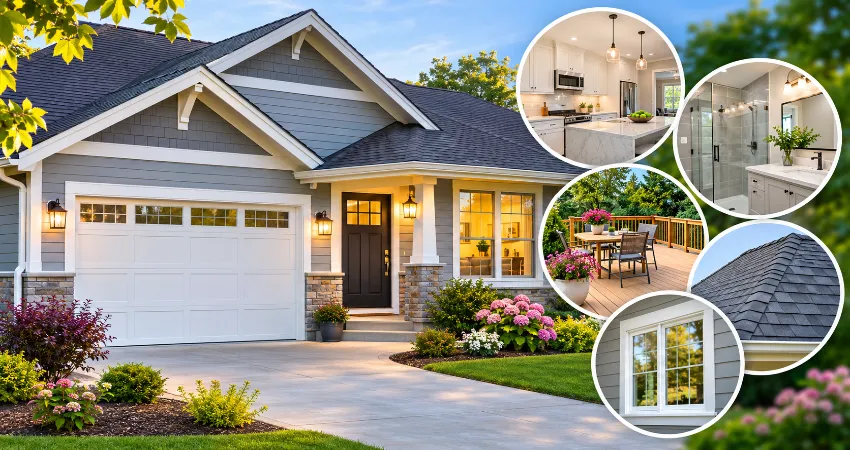
    A worn garage door can make an otherwise attractive property look neglected. Replacing it with a modern, durable model improves curb appeal and can enhance daily convenience. Buyers may also appreciate quieter operation, reliable safety sensors, and better weather protection.

    Zonda’s 2025 report estimated that garage door replacement recovered approximately 268% of its cost nationally, making it the highest-ranked project in that study. This is a modeled national average, not a guaranteed return for every homeowner. Choose a style that complements the exterior rather than an unnecessarily expensive custom design.

    2. Steel Front Door Replacement

    The front entrance establishes an immediate impression of the property. An attractive steel entry door can improve appearance, security, and resistance to everyday wear. Modern insulated models can also help reduce unwanted air movement around the entrance when properly installed.

    Zonda reported approximately 216% cost recovery for steel entry door replacement in 2025. Homeowners should prioritize appropriate sizing, weatherstripping, dependable hardware, and a finish that matches the house. Sometimes refinishing an existing door is more economical than replacing one that remains in excellent condition.

    3. Minor Kitchen Remodeling

    Kitchens influence purchasing decisions because they are used frequently and can be expensive to renovate. However, buyers do not necessarily need luxury cabinetry or professional-grade appliances. A clean, functional kitchen with adequate storage and coordinated finishes may be more appealing than an elaborate redesign.

    Consider repainting sound cabinets, replacing damaged countertops, updating hardware, improving task lighting, and repairing outdated fixtures. Zonda’s 2025 report estimated approximately 113% national cost recovery for a midrange minor kitchen remodel. Preserving a functional layout can help control spending while improving appearance.

    4. Bathroom Updates

    Bathrooms receive considerable attention during home showings. Cracked tiles, leaking faucets, stained grout, and poor ventilation may raise concerns about maintenance. Addressing these issues can help buyers feel more confident about the home’s condition.

    Useful improvements include a modern vanity, efficient fixtures, brighter lighting, and refreshed shower surfaces. A complete renovation is not always necessary. Zonda estimated roughly 80% cost recovery for a midrange bathroom remodel in 2025, suggesting that modest improvements may be more financially sensible when preparing to sell.

    5. Fresh Interior Paint

    Painting is often a practical way to refresh a home without changing its structure. Clean walls make rooms appear better maintained and allow potential buyers to imagine their own furniture and decorating preferences.

    NAR’s 2025 Remodeling Impact Report identified interior painting among the improvements real estate professionals frequently recommend before selling. Neutral, coordinated colors generally offer more flexibility than highly personalized choices. Repair nail holes, damaged drywall, and uneven surfaces before painting, since preparation strongly influences the finished appearance.

    6. Exterior Siding Improvements

    Damaged or deteriorating siding can affect both the appearance and perceived maintenance requirements of a property. Replacing compromised materials can make the exterior look more consistent while addressing moisture-related vulnerabilities.

    Zonda’s 2025 research estimated approximately 114% cost recovery for fiber-cement siding replacement and 97% for vinyl siding replacement. Results depend on material, installation, and location. Homeowners with structurally sound siding should consider whether professional cleaning, localized repairs, or repainting could achieve an adequate improvement at lower cost.

    7. Manufactured Stone Veneer

    Adding manufactured stone veneer to a carefully selected portion of the exterior can create visual contrast and a more finished appearance. Common applications include entryway surrounds and lower sections of front-facing walls.

    The 2025 Cost vs. Value Report estimated around 208% cost recovery for its specified manufactured stone veneer project. That figure should not be applied to every stone installation. Proper moisture management, compatible materials, and professional installation are essential. A restrained design that matches surrounding homes is often more appropriate than covering an entire facade.

    8. Roofing Replacement

    Roof condition can significantly influence a buyer’s assessment of future maintenance expenses. Missing shingles, visible water damage, and unresolved leaks may complicate inspections or create concerns about additional repairs.

    NAR’s 2025 remodeling research identified new roofing as an improvement attracting increased buyer demand. However, Zonda estimated about 68% cost recovery for asphalt-shingle roof replacement. The primary benefit may therefore be reducing transaction obstacles rather than generating a large direct return. Have a qualified roofer assess whether repair or replacement is justified.

    9. Energy-Efficient Windows

    Windows affect indoor comfort, natural light, outside noise, and heating or cooling requirements. Buyers may value windows that operate properly, seal effectively, and require little immediate maintenance.

    Zonda estimated approximately 76% cost recovery for vinyl window replacement in 2025. Actual energy savings depend on climate, existing windows, and installation quality. Before replacing every window, investigate failed seals, damaged frames, and air leaks. Targeted repairs or weatherstripping may be worthwhile when complete replacement is unnecessary.

    10. Outdoor Deck Improvements

    Functional outdoor space can make a home more attractive to buyers who enjoy dining, relaxing, or entertaining outside. A well-proportioned deck effectively extends usable living space during suitable weather.

    Zonda’s 2025 report estimated approximately 95% cost recovery for a wood deck addition and 89% for a composite deck addition. Material choice should reflect climate, maintenance expectations, and neighborhood standards. Existing decks should also be inspected for loose railings, deteriorated boards, and structural problems before cosmetic work begins.

    11. Heating and Cooling System Upgrades

    Reliable heating and cooling equipment contributes to comfort and can reduce concerns about immediate replacement costs. Buyers may ask about system age, maintenance history, and operating efficiency, particularly in regions with demanding seasonal temperatures.

    Before replacing equipment, arrange a professional inspection and address neglected maintenance. If replacement is necessary, appropriate system sizing matters more than purchasing the largest available unit. Keep service records, warranties, and installation documentation available. A functioning system with documented maintenance may be preferable to an expensive upgrade made solely for resale.

    12. Landscaping and Curb Appeal

    Well-maintained landscaping helps buyers form a positive impression before entering the house. Overgrown shrubs, damaged walkways, and poorly maintained lawns can make routine property care appear more demanding.

    Practical improvements include trimming plants, removing debris, repairing pathways, adding appropriate outdoor lighting, and keeping entrances accessible. Select vegetation suitable for the local climate and expected maintenance needs. Simple landscaping improvements often make more sense before selling than elaborate gardens requiring specialized upkeep.

    How to Choose the Right Upgrades Before Selling?

    The most profitable improvement is not necessarily the one with the highest national cost-recovery percentage. A homeowner selling in six months has different priorities from someone planning to remain in the property for ten years. Local competition, existing property condition, and buyer expectations should guide decisions.

    For example, spending $4,000 refreshing a visibly dated kitchen may address an important weakness, while replacing attractive, functional countertops could provide little additional benefit. Compare recently sold properties, obtain multiple contractor estimates, and consult a local real estate professional before committing to major improvements.

    Remember that cost recovery measures estimated resale value relative to project expense. It does not guarantee a matching increase in the final sale price. Permits, financing costs, unexpected repairs, and market changes can further affect the financial outcome.

    Frequently Asked Questions

    1. Which home upgrade adds the most resale value?

    Garage door replacement ranked first in Zonda’s 2025 national cost-recovery analysis. However, the strongest improvement for an individual property depends on its condition and market. A home with serious roof damage may benefit more from resolving that problem than from installing a new garage door.

    2. Is remodeling the kitchen worth it before selling?

    A modest kitchen update can be worthwhile when existing finishes look tired or important fixtures need attention. Focus on visible condition, cleanliness, storage, and usability. Extensive renovations are harder to justify financially when the existing kitchen already competes well with similar neighborhood properties.

    3. Do bathroom renovations increase home value?

    Bathroom improvements can increase buyer appeal and contribute to resale value, particularly when they correct visible defects. Replacing worn fixtures and repairing damaged surfaces may be more practical than rebuilding the entire room. Compare the anticipated improvement with local housing standards before selecting a renovation budget.

    4. Should I replace my roof before listing my house?

    Replacement may be appropriate when the roof has significant damage, recurring leaks, or limited remaining service life. A roof in reasonable condition might only require maintenance or localized repairs. Obtain a professional assessment before spending money, and retain documentation to answer prospective buyers’ questions.

    5. Are energy-efficient windows worth the investment?

    They can improve comfort and reduce energy use under suitable conditions, but financial benefits vary. Climate, installation quality, and existing window performance matter. If windows are generally sound, repairing seals or improving weatherstripping may offer a less expensive solution than replacing every unit before selling.

    6. What inexpensive upgrades attract home buyers?

    Fresh paint, repaired fixtures, clean grout, updated cabinet hardware, and tidy landscaping can improve presentation without major structural work. Start by correcting obvious defects and maintaining consistent finishes. These changes can make a property easier to evaluate, although they do not guarantee a higher offer.

    7. Does landscaping really affect a home’s selling price?

    Landscaping contributes to curb appeal and can influence first impressions, but its financial impact is difficult to isolate. Buyers generally benefit from accessible walkways, healthy plants, and manageable outdoor spaces. Costly decorative installations may be less useful than straightforward maintenance and removal of overgrown vegetation.

    8. Are luxury renovations a good idea before selling?

    Luxury improvements are not automatically poor choices, but their costs can exceed what local buyers are prepared to recognize in the purchase price. High-end finishes may be appropriate in premium neighborhoods. For typical properties, durable materials, consistent design, and functional improvements often provide a more manageable financial approach.

    9. How can I estimate the return on a home improvement?

    Start with the complete project cost, including labor, materials, permits, and contingency expenses. Compare properties with similar improvements in your neighborhood and review regional remodeling data. Divide the estimated resale value attributable to the project by its cost, then multiply by 100 to calculate an approximate cost-recovery percentage.

    10. Should I renovate my home or sell it as-is?

    The answer depends on repair costs, available funds, selling timelines, and local market conditions. Minor repairs may expand buyer appeal, while extensive renovations can delay listing and create unexpected expenses. Request estimates and compare a realistic as-is sale scenario with the expected net proceeds after improvements.

    Conclusion

    The home upgrades buyers value most tend to improve appearance, functionality, or confidence in a property’s condition. Garage doors, entry doors, modest kitchen updates, and appropriate exterior improvements have demonstrated strong resale potential in national research.

    Nevertheless, local conditions determine which investments make financial sense. Prioritize necessary repairs, avoid excessive customization, and evaluate each project against realistic selling expectations.

  • Top 12 Cities Where Remote Workers Are Buying Homes

    Top 12 Cities Where Remote Workers Are Buying Homes

    Remote work has changed how Americans choose where to live. Instead of purchasing a home near an office, many professionals can now consider cities that offer affordable housing, comfortable living conditions, and enough space for a dedicated home office. This flexibility has increased interest in places outside traditional employment centers.

    According to Redfin’s September 2026 migration report, approximately 19% of house hunters searched for homes outside their current metropolitan area during the second quarter of 2026. Meanwhile, Zillow’s housing research identifies several markets where buyers may benefit from more manageable housing costs and less competition.

    But which destinations deserve attention? This guide examines 12 cities and metropolitan areas showing relocation interest or favorable buying conditions. It considers housing affordability, lifestyle advantages, internet connectivity, and potential disadvantages to help remote professionals make informed decisions.

    Why Remote Workers Are Looking Beyond Major Cities?

    Remote employment allows some households to prioritize living space, neighborhood quality, and monthly expenses rather than commuting distance. A household leaving an expensive coastal market may find a larger property elsewhere. However, lower purchase prices do not automatically mean lower ownership costs. Insurance, taxes, utilities, and maintenance remain important considerations.

    How These 12 Locations Were Selected?

    This list combines Redfin’s second-quarter 2026 relocation-search data with Zillow’s 2026 buyer-friendly housing analysis. The locations are presented for comparison, not ranked by verified remote-worker purchases. Available migration data includes homebuyers generally and does not establish how many purchases were completed specifically by remote employees.

    1. Las Vegas, Nevada

    Las Vegas led Redfin’s second-quarter 2026 ranking of metropolitan areas attracting relocating house hunters. Its proximity to California, entertainment options, and broad selection of residential neighborhoods make it worth considering. Zillow reported a typical metropolitan home value of approximately $425,546 in December 2025. Remote professionals should compare electricity expenses, summer temperatures, and neighborhood internet service before purchasing.

    2. Sarasota and North Port, Florida

    The North Port metropolitan area, which includes Sarasota, ranked second for net inbound relocation searches in Redfin’s second-quarter analysis. Coastal recreation, warm weather, and residential communities help explain its appeal. However, properties near waterways may involve substantial insurance expenses. Buyers should investigate flood exposure, evacuation requirements, and homeowners association restrictions before choosing a neighborhood.

    3. Orlando, Florida

    Orlando combines established residential neighborhoods, an international airport, and recreational amenities. It ranked third among relocation destinations in Redfin’s second-quarter 2026 report. Zillow placed its typical metropolitan home value near $380,414 in December 2025. For remote employees, Orlando provides varied housing choices, although traffic, summer cooling costs, and insurance deserve careful evaluation.

    4. Miami, Florida

    Miami attracts buyers interested in international connections, cultural diversity, and coastal living. Redfin identified the metropolitan area as another major destination for relocating house hunters. However, affordability is a significant challenge. Zillow estimated its typical metropolitan home value at $466,837 in December 2025. Condominium buyers should additionally review association finances, maintenance obligations, and potential special assessments.

    5. Sacramento, California

    Sacramento offers a California location with generally lower housing costs than the San Francisco Bay Area. Redfin’s migration research identifies Sacramento as a notable destination for people searching beyond their existing metropolitan area. Its residential communities and access to outdoor recreation may appeal to flexible workers. Nevertheless, property prices remain relatively high nationally, making detailed mortgage comparisons essential.

    6. Cape Coral, Florida

    Cape Coral attracts relocation interest through its residential neighborhoods, waterways, and warm climate. It appeared among Redfin’s leading inbound metropolitan areas during the second quarter of 2026. Buyers looking for additional living space may appreciate its housing options. However, flood exposure, storm protection, insurance premiums, and property maintenance can significantly influence affordability.

    7. Tampa, Florida

    Tampa offers urban amenities alongside suburban housing choices and Gulf Coast recreation. It also appears prominently in Redfin’s recent relocation data. Zillow reported a typical metropolitan home value of approximately $351,532 in December 2025. Remote professionals should compare inland and coastal neighborhoods, evaluate insurance requirements, and investigate internet availability at individual addresses.

    8. Myrtle Beach, South Carolina

    Myrtle Beach appeals to buyers seeking coastal recreation and a potentially different pace of life. Its metropolitan area appeared among Redfin’s ten leading relocation destinations in the second quarter of 2026. Remote workers may appreciate access to outdoor activities after working hours. Prospective homeowners should consider seasonal visitor traffic, storm exposure, and the availability of year-round services.

    9. Spokane, Washington

    Spokane provides an alternative to Washington’s more expensive western metropolitan areas. It was the only non-Sun Belt location among Redfin’s top ten relocation destinations for the second quarter of 2026. Access to parks, outdoor recreation, and residential neighborhoods contributes to its appeal. Buyers should account for winter weather, heating requirements, and potential wildfire-smoke disruptions.

    10. San Antonio, Texas

    San Antonio combines historical attractions, established communities, and relatively accessible housing. Redfin included it among the leading destinations for relocating house hunters. Zillow estimated its typical metropolitan home value at $273,946 in December 2025. For remote professionals seeking additional space, it deserves consideration. Property taxes, cooling expenses, and neighborhood differences should be included in affordability calculations.

    11. Indianapolis, Indiana

    Indianapolis stands out for purchasing conditions rather than a demonstrated remote-worker migration surge. Zillow ranked it the most buyer-friendly major metropolitan market for 2026, based on affordability, competition, and projected housing conditions. Its December 2025 typical home value was approximately $283,040. Buyers seeking a practical home office and manageable housing expenses may find Indianapolis especially worth investigating.

    12. Pittsburgh, Pennsylvania

    Pittsburgh offers comparatively affordable homeownership, established neighborhoods, and cultural amenities. Zillow ranked it among its ten most buyer-friendly major metropolitan markets for 2026, estimating a typical home value of $217,499 in December 2025. Remote professionals who prioritize housing affordability over warmer weather may find it attractive. Older properties, steep streets, and winter maintenance warrant additional inspection.

    Comparing Housing Costs and Practical Priorities

    The differences between these destinations illustrate why remote workers should look beyond popularity. According to Zillow’s December 2025 metropolitan estimates, Pittsburgh and San Antonio had substantially lower typical home values than Miami or Las Vegas. Indianapolis offered another comparatively accessible option, while Sacramento remained considerably more expensive.

    These figures are historical metropolitan estimates, not current listing prices or guaranteed purchase costs. A two-bedroom condominium and a detached house in the same metropolitan area can have very different ownership expenses. Buyers should compare similar properties within neighborhoods rather than relying exclusively on regional averages.

    What Remote Workers Should Check Before Buying?

    Reliable connectivity should be a priority. The Federal Communications Commission’s National Broadband Map allows buyers to investigate reported internet providers and advertised speeds at specific addresses. Since listed availability does not guarantee actual performance, confirm service directly with providers.

    Next, calculate the entire monthly housing expense. The Consumer Financial Protection Bureau recommends considering mortgage principal, interest, property taxes, insurance, and applicable association fees. A professional earning remotely should also verify employer location policies, state tax obligations, and whether occasional office visits will remain necessary.

    Finally, evaluate the property as both a residence and workplace. Consider noise levels, natural light, electrical outlets, emergency connectivity, and space for private meetings. Visiting the neighborhood during ordinary working hours can reveal issues that property photographs cannot show.

    Frequently Asked Questions

    1. What is the best city for remote workers to buy a home?

    There is no universally best city. Indianapolis stands out in Zillow’s 2026 buyer-friendly ranking, while Las Vegas leads Redfin’s second-quarter relocation-search data. Someone prioritizing affordability may prefer Indianapolis or Pittsburgh, whereas another household might prioritize climate or proximity to family. Personal income, job flexibility, and housing requirements determine the better choice.

    2. Why are remote workers moving away from expensive cities?

    Remote employment can reduce dependence on living close to a workplace. Some professionals use that flexibility to pursue more living space, lower housing expenses, or preferred surroundings. However, job requirements can change, so relocating households should confirm that their employment arrangements support their intended location.

    3. Is buying a home cheaper than renting for remote workers?

    Not necessarily. Purchasing builds potential equity but introduces transaction expenses, maintenance responsibilities, insurance, and property taxes. Renting provides greater flexibility and fewer direct repair obligations. Comparing realistic monthly expenses and expected length of residence is more useful than assuming ownership always costs less.

    4. Which cities offer relatively affordable housing?

    Pittsburgh, San Antonio, and Indianapolis stand out among the locations discussed. Zillow’s December 2025 metropolitan estimates place their typical home values below those of several coastal destinations. However, buyers must also evaluate neighborhood prices, loan terms, insurance costs, and property condition before determining affordability.

    5. How important is internet speed when purchasing a remote-work home?

    Internet reliability is essential for video conferences, cloud applications, and transferring large files. Buyers should investigate download and upload speeds, provider availability, and connection reliability. Checking the FCC’s broadband map and obtaining confirmation from local providers can reduce the risk of purchasing an unsuitable property.

    6. Can remote employees purchase homes in another state?

    Generally, remote employees can purchase property in another state, subject to normal financing and legal requirements. However, employers may restrict authorized working locations because of taxation, payroll, or regulatory obligations. Employees should confirm company policies and investigate relevant state tax rules before committing to relocation.

    7. Should remote workers buy larger homes with dedicated offices?

    A dedicated workspace can improve privacy and make daily routines more manageable, particularly for households with multiple occupants. Nevertheless, additional square footage increases potential purchase and maintenance costs. Buyers should decide whether a separate room is necessary or whether an adaptable workspace can serve their requirements.

    8. Are Florida cities good choices for remote homeowners?

    Florida offers several metropolitan areas attracting relocation interest, including Orlando, Tampa, and Miami. Its climate and amenities may suit certain households. However, insurance costs, storm exposure, and property-specific flood risks can complicate affordability. Researching these expenses is particularly important before purchasing coastal properties.

    9. What financial mistakes should remote homebuyers avoid?

    Common mistakes include relying on maximum mortgage approval amounts, overlooking insurance, and spending too much on renovations. Another risk is assuming remote employment will remain permanently unchanged. Maintaining emergency savings and comparing complete ownership expenses can help buyers make more sustainable decisions.

    10. How can remote workers choose a city before relocating?

    Begin with a realistic housing budget and a shortlist of locations compatible with employment requirements. Compare neighborhoods, healthcare access, climate, taxes, and internet service. If practical, spend time in the destination while following a normal working schedule. This helps identify daily-life limitations before making a long-term commitment.

    Conclusion

    The best cities for remote workers buying homes depend on individual priorities rather than relocation popularity alone. Las Vegas, Orlando, and Tampa show strong broader housing-search interest, while Indianapolis and Pittsburgh offer compelling affordability considerations.

    By comparing complete ownership costs, checking internet access, and confirming employment flexibility, remote professionals can make more informed housing decisions that support both their careers and everyday lives.

  • Top 12 Signs You’re Overpaying For A House

    Top 12 Signs You’re Overpaying For A House

    Buying a house is one of the biggest financial decisions most people make. Finding a property that feels like home is exciting, but paying more than its reasonable market value can create financial difficulties for years. A beautiful kitchen, attractive neighborhood, or competitive housing market can sometimes distract buyers from evaluating the actual price.

    Overpaying for a house does not simply mean spending more than you originally planned. It means paying more than the property’s condition, location, comparable sales, and current market conditions reasonably support. Even an affordable monthly mortgage payment does not automatically make the purchase a good financial decision.

    Fortunately, several warning signs can help you recognize an overpriced property before committing. Understanding these signs allows you to compare homes objectively, negotiate confidently, and make a purchase that supports your long-term financial goals.

    1. The Asking Price Is Higher Than Comparable Homes

    One of the clearest warning signs is an asking price significantly above similar recently sold properties. Comparable sales, commonly called “comps,” help establish a realistic market value. Compare homes with similar square footage, age, condition, lot size, and location.

    For example, if several comparable houses recently sold for approximately $350,000, a property listed at $410,000 deserves closer examination. Premium renovations or a larger lot might justify the difference, but the seller should have supporting evidence. Request a comparative market analysis from a knowledgeable real estate agent.

    2. The Home Has Been Listed for an Unusually Long Time

    A house remaining on the market longer than comparable properties may indicate unrealistic pricing. Buyers might be avoiding it because of its condition, location, or asking price.

    However, a lengthy listing period does not automatically prove that a property is overpriced. Seasonal demand and local market conditions also matter. Compare its days on market with similar nearby listings. If the property has attracted limited interest despite adequate exposure, investigate the reasons before making an offer.

    3. The Seller Has Reduced the Price Multiple Times

    Repeated price reductions can suggest that the seller’s original expectations exceeded what buyers were willing to pay. Reviewing the listing history helps reveal how the asking price has changed.

    Suppose a house initially appeared at $475,000 and later dropped to $445,000. The reduction may create an impression of exceptional value, but the current price still needs comparison with recent sales. A discount from an inflated starting price does not necessarily represent a bargain.

    4. The Appraisal Comes in Below Your Offer

    A professional appraisal provides an independent opinion of a property’s value. If the appraisal is lower than your agreed purchase price, this is an important warning sign worth investigating.

    For example, an accepted offer of $390,000 followed by a $370,000 appraisal creates a $20,000 difference. Depending on the mortgage terms, you might need additional cash, negotiate a lower price, or reconsider the purchase. Appraisals are estimates rather than guarantees, but a significant gap deserves attention.

    5. The House Requires Expensive Repairs

    A property’s purchase price is only part of its actual cost. Roofing problems, outdated electrical systems, foundation damage, plumbing defects, and aging heating equipment can create substantial expenses after closing.

    Consider a house priced at $320,000 that requires $35,000 in necessary repairs. Your effective investment could approach $355,000 before financing expenses and other ownership costs. Obtain an independent inspection and written repair estimates. Compare the combined amount with the price of similar homes in better condition.

    6. You’re Paying a Premium for Cosmetic Improvements

    Fresh paint, modern lighting, attractive flooring, and professionally staged furniture can make a property appear more valuable. However, cosmetic improvements do not always justify a substantial increase in price.

    A recently renovated home may be worth more than an outdated alternative, but improvements should be evaluated alongside structural condition and comparable sales. Focus on the quality and durability of renovations rather than appearance alone. A stylish interior cannot compensate for major hidden maintenance problems.

    7. The Neighborhood Does Not Support the Price

    Location strongly influences property value. A house priced above surrounding homes may be difficult to justify if nearby properties offer similar features for less money.

    Research neighborhood sales, transportation access, school information, public amenities, and local development plans. Also examine potential concerns such as heavy traffic or persistent noise. Avoid assuming that future neighborhood improvements will automatically increase property values. Evaluate the location based on verified current conditions.

    8. Your Monthly Housing Costs Stretch Your Budget

    Mortgage approval does not necessarily mean a home is comfortably affordable. Lenders assess financial qualifications, but your personal budget must also accommodate everyday expenses, savings, and unexpected emergencies.

    According to the Consumer Financial Protection Bureau, housing expenses can include mortgage payments, property taxes, insurance, and homeowners association fees. Add maintenance and utilities when calculating affordability. If buying the house requires sacrificing emergency savings or essential financial goals, its overall cost may be too high for your circumstances.

    9. Hidden Ownership Expenses Are Being Overlooked

    Some properties have unusually high ongoing expenses that make an apparently reasonable purchase price less attractive. These may include property taxes, insurance premiums, association assessments, and energy costs.

    For example, an additional $350 in monthly ownership expenses equals $4,200 annually. Over five years, that represents $21,000 before potential increases. Request insurance quotations, review applicable association documents, and examine available utility information. Understanding recurring costs helps you compare properties beyond their listing prices.

    10. You’re Making an Offer Under Emotional Pressure

    Fear of missing a preferred home can encourage rushed decisions. Buyers sometimes increase offers beyond their original limits because they imagine losing a property they love.

    Emotional attachment is natural, but it should not replace financial analysis. Establish your maximum purchase price before negotiating. Consider comparable sales, repair requirements, and your available savings. If the price exceeds your reasonable limit without sufficient justification, remaining disciplined may protect your financial stability.

    11. Your Mortgage Terms Are More Expensive Than Necessary

    Even when a home’s purchase price is reasonable, unfavorable financing can increase the overall amount you pay. Interest rates, origination charges, discount points, and closing costs influence the true expense of borrowing.

    The Consumer Financial Protection Bureau recommends comparing Loan Estimates from different lenders. Request estimates for the same loan type, amount, and repayment period. Examine the annual percentage rate, upfront charges, and estimated payments. A slightly different interest rate or fee structure can meaningfully affect long-term borrowing costs.

    12. You Have Not Researched Property Risks or Resale Potential

    A house may appear attractively priced while carrying risks that could affect future expenses or resale appeal. Flood exposure, drainage problems, difficult access, restrictive property rules, and nearby environmental concerns deserve investigation.

    Review available property disclosures, local records, and relevant hazard information. In the United States, FEMA provides official flood hazard maps that buyers can consult. No property guarantees future appreciation, so avoid paying a premium based entirely on optimistic resale expectations.

    How to Avoid Overpaying for a House?

    Before submitting an offer, develop a realistic price range using recent comparable sales. Obtain an independent inspection, estimate necessary repairs, and calculate your complete monthly ownership costs. Compare mortgage offers and preserve enough savings for unexpected expenses.

    Keep negotiations focused on documented evidence rather than the seller’s original asking price. An appraisal, inspection report, or reliable comparable sale can help support a reasonable counteroffer. If important uncertainties remain unresolved, review your purchase contract and seek appropriate professional guidance before proceeding.

    Frequently Asked Questions

    1. How can I tell if a house is overpriced?

    Compare the asking price with recent sales of similar homes in the same area. Examine property condition, size, location, and available improvements. A professional comparative market analysis can help identify whether the price is supported by local evidence.

    2. Is paying above the asking price always a mistake?

    No. An asking price is a seller’s marketing decision, not necessarily the property’s market value. Paying above it may be reasonable when comparable sales justify the amount. The important comparison is between your offer and supported market value.

    3. What happens if I pay more than the appraised value?

    Your lender may base financing on the lower appraised value, potentially requiring additional cash. Depending on your contract, you may negotiate, challenge an inaccurate appraisal through the lender, or consider available cancellation options. Review the specific agreement carefully.

    4. Can a home inspection help prevent overpaying?

    Yes. An independent inspection can identify defects that affect your repair budget and purchasing decision. Significant findings may support requesting repairs or a price adjustment. Inspection contingencies can provide additional protection when included in the purchase contract.

    5. Does a price reduction mean a house is a good deal?

    Not necessarily. A seller might reduce an initially excessive price while still asking more than comparable homes justify. Evaluate the new price independently using recent sales, property condition, and likely ownership expenses.

    6. Should I buy the most expensive house in a neighborhood?

    It depends on the property’s features and your objectives. A house priced substantially above nearby alternatives may have a narrower pool of future buyers. Examine whether its premium reflects lasting advantages and whether similar properties support the valuation.

    7. How do interest rates affect the true cost of buying?

    Interest rates influence mortgage payments and total borrowing expenses. Higher rates generally increase financing costs for otherwise similar fixed-rate loans. Compare complete loan terms, including fees and repayment periods, instead of focusing exclusively on the advertised interest rate.

    8. Can I negotiate after discovering a house is overpriced?

    Often, yes. Present relevant comparable sales, inspection findings, or appraisal information when discussing a revised price. Your options depend on the contract and the seller’s willingness to negotiate. Avoid assuming that every seller will accept a lower offer.

    9. Is an expensive house always a poor investment?

    No. A higher-priced property may offer valuable features, a desirable location, or lower maintenance requirements. The key is whether those benefits justify the price and fit your finances. Future appreciation remains uncertain regardless of the initial purchase amount.

    10. What is the safest way to determine a reasonable offer?

    Start with recent comparable sales and adjust for meaningful differences in condition, location, and features. Include anticipated repairs and ownership expenses. Seek independent professional input when needed, establish a firm budget, and avoid exceeding it without convincing evidence.

    Conclusion

    Recognizing the signs of overpaying for a house helps you make more informed decisions. Comparable sales, independent inspections, realistic budgeting, and careful financing comparisons provide a stronger foundation than appearance or emotion alone. Take time to investigate warning signs, understand the complete cost of ownership, and choose a property whose price and long-term expenses fit your financial priorities.

  • Top 12 Best Neighborhoods To Buy A Condo In Austin

    Top 12 Best Neighborhoods To Buy A Condo In Austin

    Buying a condo in Austin, Texas, can be an appealing way to enjoy city living without taking on every maintenance responsibility associated with a detached house. Austin offers everything from downtown high-rise residences to quieter condominium communities near parks, restaurants, and employment centers. However, choosing the right neighborhood requires more than finding an attractive property.

    The best neighborhoods to buy a condo in Austin depend on your lifestyle, budget, commuting needs, and long-term plans. Some areas offer convenient access to entertainment and public transportation, while others provide residential surroundings and nearby outdoor recreation. Condominium association fees, building conditions, and ownership restrictions can also make two similarly priced properties very different purchases.

    This guide examines 12 Austin neighborhoods worth considering, highlighting their practical advantages and potential drawbacks. It also explains important financial and property-related checks that can help buyers make informed decisions.

    Understanding Austin’s Condo Market

    Austin’s condominium market includes luxury towers, smaller residential buildings, converted properties, and townhome-style communities legally organized as condominiums. Prices vary considerably by location, building age, amenities, and square footage. Neighborhood popularity alone does not establish fair market value.

    According to a September 2026 Austin condo market report published by Eleven Oaks Realty, the city’s median closed condo and townhome price was approximately $358,025. That figure describes a combined market segment rather than the expected price of an individual condo. Buyers should compare recent sales within the same building or nearby developments before making an offer.

    1. Downtown Austin: Best for Urban Convenience

    Downtown Austin offers one of the city’s strongest selections of high-rise condominiums. Residents can access offices, restaurants, entertainment venues, and Lady Bird Lake without relying on a car for every outing. Buildings range from older residential towers to modern developments with extensive amenities.

    The main tradeoffs are potentially substantial association fees, traffic, limited guest parking, and street noise. Buyers should compare parking arrangements, elevator maintenance, building reserves, and monthly ownership costs. Downtown is particularly appealing to people who prioritize walkability and proximity to central employment locations.

    2. Rainey Street District: Best for Entertainment Access

    Rainey Street is known for its nightlife, restaurants, and residential towers near Lady Bird Lake. Condo buyers can find an energetic urban setting with convenient access to waterfront trails and downtown destinations. The neighborhood’s combination of recreation and high-rise living distinguishes it from quieter residential areas.

    However, entertainment activity can create noise and congestion, especially during evenings and weekends. Tour the property at different times before purchasing. Check window insulation, loading areas, nearby construction, and building rules. Rainey Street works best for buyers comfortable with an active environment.

    3. Seaholm District: Best for Modern Waterfront Living

    The Seaholm District, on downtown’s western side, combines residential towers with restaurants, public spaces, and access to the Ann and Roy Butler Hike-and-Bike Trail. The Austin Central Library and surrounding streets contribute to an attractive, pedestrian-oriented setting.

    Buyers seeking contemporary buildings and outdoor access may appreciate this location. Nevertheless, desirable views, parking, and amenities can affect property prices and recurring expenses. Compare units on different floors and examine whether nearby development could change existing views or the character of surrounding streets.

    4. East Austin: Best for Restaurants and Local Culture

    East Austin offers a mixture of historic residential streets, modern housing, restaurants, galleries, and neighborhood businesses. Condo options include smaller developments and newer multifamily properties, although availability differs significantly across the broader area.

    The neighborhood appeals to buyers who enjoy local dining and an active cultural environment. Because East Austin covers several distinct sections, buyers should evaluate individual blocks rather than treating the entire area as identical. Consider proximity to major roads, construction activity, pedestrian infrastructure, and everyday shopping.

    5. Mueller: Best for Planned Community Living

    Mueller occupies the former Robert Mueller Municipal Airport site and represents one of Austin’s notable mixed-use redevelopment projects. According to the City of Austin, the community was planned around pedestrian accessibility, housing diversity, parks, retail, and employment opportunities.

    Its organized street network and neighborhood amenities make Mueller attractive to people seeking a residential setting with convenient daily essentials. Buyers should confirm whether a particular listing is legally a condominium, townhouse, or another ownership type. Review association responsibilities, community restrictions, and any applicable affordability requirements.

    6. South Congress: Best for Shopping and Dining

    South Congress, often called SoCo, is recognized for its restaurants, independent shops, and distinctive Austin atmosphere. Condo buyers can enjoy access to popular destinations while remaining relatively close to downtown. CapMetro’s Rapid 801 route also serves the South Congress corridor.

    Properties near busy commercial streets may experience traffic, pedestrian activity, and additional noise. Buyers seeking quieter surroundings should examine side streets and building orientation. South Congress is especially suitable for residents who value neighborhood character and convenient access to shopping and dining.

    7. South Lamar: Best for Everyday Convenience

    South Lamar combines restaurants, retail businesses, residential communities, and transportation connections. Its location offers access to central Austin attractions while providing a different atmosphere from downtown’s concentrated high-rise district.

    CapMetro’s Rapid 803 service follows the South Lamar corridor, making nearby transit access a useful consideration. Buyers should assess traffic patterns, parking availability, and how safely they can walk between home and local businesses. South Lamar may be a practical choice for people seeking a balance between convenience and residential living.

    8. Zilker: Best for Outdoor Recreation

    Zilker is particularly attractive to condo buyers who value access to parks and recreational opportunities. Zilker Park, Barton Springs Pool, and nearby trails create opportunities for swimming, walking, cycling, and outdoor activities.

    Homes near popular recreational destinations may experience heavier traffic during festivals and major events. Buyers should evaluate seasonal parking conditions and the distance between a specific condo and the amenities they expect to use. Zilker suits people who place outdoor recreation among their most important housing priorities.

    9. Bouldin Creek: Best for Neighborhood Character

    Bouldin Creek sits south of Lady Bird Lake and offers an appealing combination of established residential streets, local businesses, and access to central Austin. Its housing includes detached homes alongside smaller condominium developments.

    Because buildings differ considerably in age and design, careful property inspection is essential. Buyers should compare maintenance responsibilities, renovation history, and association finances. Bouldin Creek is worth considering for those who prefer an established neighborhood atmosphere while remaining near dining and entertainment destinations.

    10. Clarksville: Best for Historic Surroundings

    Clarksville is an established neighborhood west of downtown with significant historical character. Its tree-lined streets, local restaurants, and proximity to central Austin can appeal to buyers seeking a more intimate residential environment.

    Condominium inventory may be limited compared with larger high-rise districts. Buyers should evaluate individual buildings carefully, particularly older properties that could require substantial maintenance. Clarksville is an attractive option for people who appreciate neighborhood history and prefer smaller residential settings over dense entertainment districts.

    11. Hyde Park: Best for a Quieter Central Location

    Hyde Park is a well-established central Austin neighborhood known for older homes, residential streets, and proximity to the University of Texas area. Condo choices may include smaller complexes and units in established buildings rather than extensive luxury towers.

    Prospective buyers should examine building age, plumbing, roofing, insulation, and association maintenance records. Nearby transit and neighborhood services can support convenient daily living. Hyde Park is particularly suitable for those prioritizing a calmer residential atmosphere without moving far from central Austin.

    12. North Burnet and The Domain Area: Best for North Austin Amenities

    The North Burnet area surrounding The Domain provides access to major retail destinations, restaurants, offices, and modern residential developments. Buyers working in North Austin may find this location convenient, especially when compared with a longer commute from southern neighborhoods.

    The area includes buildings with different ownership structures and amenity packages, so buyers should verify that advertised units are available for individual condominium ownership. Compare parking, association fees, pedestrian accessibility, and commuting routes. This location is worth exploring for those who prioritize north-side employment and shopping access.

    How to Choose the Right Austin Condo Neighborhood?

    Start by defining what matters most: commute, outdoor access, neighborhood activity, space, or monthly affordability. For example, a buyer working downtown might compare Downtown, Seaholm, and Clarksville, while someone employed in North Austin could prioritize the Domain area or Mueller.

    Calculate the total monthly ownership cost, including mortgage payments, property taxes, insurance, association assessments, and utilities. Examine comparable closed sales rather than relying exclusively on advertised prices. A lower purchase price does not necessarily mean better value if maintenance costs or special assessments are substantial.

    Important Checks Before Buying a Condo in Austin

    Review the condominium declaration, association bylaws, current budget, reserve information, insurance coverage, and recent meeting records. Texas Property Code Section 82.157 establishes resale disclosure requirements for applicable condominium transactions, including information about assessments, reserves, and pending litigation.

    Ask your lender about building eligibility for financing, and confirm the insurance responsibilities of both the association and individual owner. Check rental restrictions if future leasing matters to your plans. Finally, use the City of Austin’s FloodPro mapping system to investigate floodplain conditions for the specific property rather than assuming an entire neighborhood has the same exposure.

    Frequently Asked Questions About Buying a Condo in Austin

    1. What is the best neighborhood to buy a condo in Austin?

    Downtown Austin is a strong starting point for buyers prioritizing high-rise choices and walkability. However, Mueller may better suit those seeking planned community amenities, while Zilker offers access to outdoor recreation. The best choice depends on personal priorities and the condition and cost of available properties.

    2. Are condos in Austin more affordable than houses?

    Some condos have lower purchase prices than comparable detached houses, but affordability depends on more than the listing price. Association assessments, insurance, property taxes, and maintenance obligations affect the total cost. Compare monthly expenses and available living space before deciding which ownership option is more economical.

    3. Is Downtown Austin suitable for condo ownership?

    Downtown can be an excellent choice for buyers seeking restaurants, employment centers, entertainment, and waterfront access nearby. However, building fees, parking limitations, street noise, and shared-facility maintenance deserve attention. Review several buildings rather than choosing solely on location or amenities.

    4. Which Austin neighborhood is best for outdoor activities?

    Zilker is a leading option because of its proximity to Zilker Park, Barton Springs Pool, and recreational trails. Seaholm and parts of the Rainey Street District also provide convenient access to Lady Bird Lake. Actual walking distances should be checked for individual addresses.

    5. What are condo association fees in Austin?

    Association fees vary by building, unit allocation, services, and maintenance needs. They may support common-area upkeep, insurance, landscaping, amenities, and building operations. Buyers should request the current assessment schedule and financial documents rather than assuming that similar properties have comparable monthly fees.

    6. Is Mueller a good place to buy a condo?

    Mueller can be appealing because its planned development combines housing, parks, businesses, and pedestrian-oriented streets. However, buyers should verify each property’s ownership structure, association rules, and available amenities. Its suitability depends on whether the particular home matches the buyer’s budget and everyday needs.

    7. Can I rent out my Austin condo?

    Rental permissions depend on applicable laws and the condominium’s governing documents. Some associations restrict lease duration, tenant arrangements, or the number of rented units. Before purchasing, obtain written confirmation of current rental requirements, especially if future rental income is an important consideration.

    8. Should I buy a new or older condo in Austin?

    Newer buildings may offer contemporary layouts and amenities, while older properties can provide different locations and purchase-price opportunities. Neither category automatically offers better value. Review construction quality, maintenance history, reserves, warranty information, and projected expenses before comparing the options.

    9. How important is condo insurance when purchasing?

    Insurance is essential because the association’s master policy may not cover everything inside an individual unit. Buyers should understand coverage boundaries, deductibles, personal property protection, and potential assessment exposure. An insurance professional can help identify appropriate coverage for a specific building.

    10. What should first-time condo buyers check before closing?

    First-time buyers should confirm financing approval, property inspection findings, title information, association finances, insurance responsibilities, and applicable restrictions. They should also evaluate parking arrangements and future maintenance obligations. Reviewing these details with qualified local professionals can help prevent costly misunderstandings.

    Conclusion

    Austin offers diverse condominium neighborhoods, from Downtown’s urban towers to Mueller’s planned community and Zilker’s recreational surroundings. The right location depends on lifestyle preferences, commuting needs, and realistic ownership costs. By comparing individual buildings, reviewing association documents, and investigating property-specific risks, buyers can make more informed decisions about where to purchase a condo in Austin.