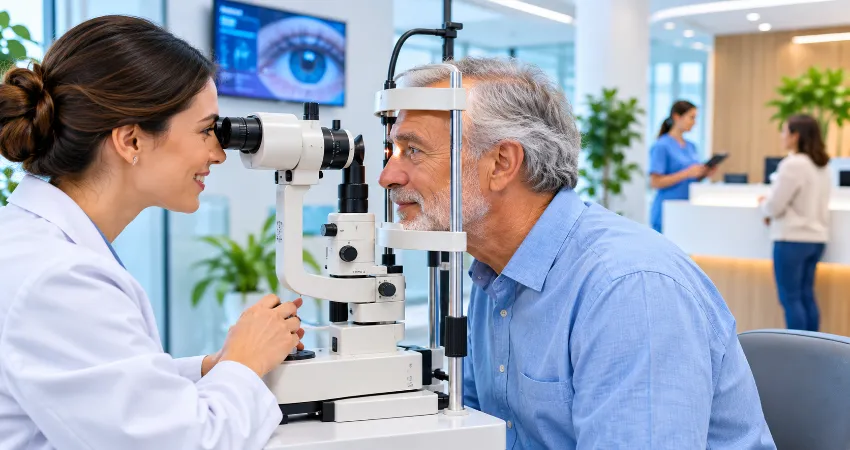
Finding the right eye hospital can make an important difference when dealing with cataracts, glaucoma, retinal diseases, or other vision problems. The United States has several respected ophthalmology centers offering specialized treatment, advanced diagnostic equipment, and experienced medical teams. However, choosing the right hospital involves more than simply looking at national rankings.
Patients often value clear communication, convenient appointments, reliable follow-up care, and access to specialists who understand their particular condition. A nationally recognized eye hospital may offer impressive medical expertise, but the most suitable choice depends on individual needs, insurance coverage, and travel requirements.
This guide explores 12 prominent eye hospitals and institutes across the United States. The selection considers professional recognition, available clinical services, and academic resources. It does not represent a verified patient-satisfaction ranking. Instead, it helps readers compare established institutions and make informed decisions about eye care.
How These Eye Hospitals Were Selected?
The first 11 institutions appear in the 2025–2026 U.S. News ophthalmology rankings, with the leading programs also recognized in 2026–2027. New York Eye and Ear Infirmary of Mount Sinai is included as an additional established specialty institution. Ophthalmology rankings from U.S. News are primarily based on physician expert opinion, so they should not be interpreted as direct measures of patient happiness, affordability, or individual treatment success.
Top 12 Eye Hospitals in the United States
1. Bascom Palmer Eye Institute – Miami, Florida
Part of the University of Miami Health System, Bascom Palmer Eye Institute is nationally recognized for ophthalmology research, education, and clinical treatment. It earned the top ophthalmology position in the 2026–2027 U.S. News rankings, marking its 25th overall first-place recognition. Its extensive specialty resources make it an important option for patients seeking evaluation of complicated eye conditions or additional medical opinions.
2. Wills Eye Hospital – Philadelphia, Pennsylvania
Wills Eye Hospital provides care for cataracts, glaucoma, corneal disorders, retinal conditions, and pediatric eye diseases. Its specialized diagnostic services and dedicated eye emergency department distinguish it from many general medical facilities. Patients with complex conditions may appreciate the availability of multiple ophthalmology subspecialties within one institution, although appointment arrangements and insurance participation should be confirmed beforehand.
3. Wilmer Eye Institute – Baltimore, Maryland
Located within Johns Hopkins Medicine, Wilmer Eye Institute combines routine examinations with specialized medical and surgical care. Its services include glaucoma treatment, retinal disease management, neuro-ophthalmology, and vision rehabilitation. Wilmer also provides coordinated resources for certain inherited eye disorders. This breadth of expertise may benefit patients whose vision problems require evaluation by more than one medical specialty.
4. Massachusetts Eye and Ear – Boston, Massachusetts
Massachusetts Eye and Ear, part of Mass General Brigham, offers comprehensive ophthalmology services and specialized programs for retinal disorders, glaucoma, corneal disease, and pediatric conditions. Its academic connections support clinical research and medical training. Patients considering this institution should identify the specific department they need, since different conditions may involve different specialists, clinic locations, and treatment arrangements.
5. Stein and Doheny Eye Institutes – Los Angeles, California
Associated with UCLA Health, the Stein and Doheny Eye Institutes are recognized for ophthalmology education, research, and specialized clinical services. They offer access to expertise across major eye diseases, including retinal disorders and glaucoma. For patients in Southern California, these academic centers provide an established setting for specialty consultations, particularly when routine examinations indicate a condition requiring additional investigation.
6. University of Iowa Health Care – Iowa City, Iowa
The University of Iowa’s Department of Ophthalmology and Visual Sciences provides routine eye care alongside treatment for rare and complicated disorders. Its documented work in inherited retinal disease and ocular genetics is particularly notable. Patients with unexplained or potentially hereditary vision changes may benefit from asking about its genetic evaluation services, specialist consultations, and vision rehabilitation resources.
7. Duke Eye Center – Durham, North Carolina
Duke Eye Center treats adults and children with conditions involving the retina, cornea, glaucoma, and other parts of the eye. The center also provides low-vision rehabilitation and specialty surgical care. Its integrated clinic structure can be useful when patients need imaging, evaluation, and consultations involving multiple specialists. Patients should review possible hospital-based facility charges before scheduling appointments.
8. Kellogg Eye Center – Ann Arbor, Michigan
The University of Michigan’s Kellogg Eye Center is an academic ophthalmology institution serving patients with a broad range of vision concerns. Its connection with Michigan Medicine supports collaborative care when eye conditions overlap with other health problems. Patients comparing facilities should consider the center’s relevant specialist availability, the complexity of their diagnosis, and arrangements for continuing treatment closer to home.
9. John A. Moran Eye Center – Salt Lake City, Utah
Part of University of Utah Health, the John A. Moran Eye Center offers cataract surgery, glaucoma treatment, retinal care, pediatric ophthalmology, and other services. Its broad clinical network makes it a significant specialty resource in the Mountain West. Patients can also explore services addressing low vision and complicated inflammatory conditions that may require ongoing monitoring.
10. Cole Eye Institute – Cleveland, Ohio
Cleveland Clinic’s Cole Eye Institute is a recognized ophthalmology center offering specialized eye care within a major academic health system. Its clinical setting can be especially relevant for patients managing eye disorders alongside other medical conditions. Before choosing the institute, patients should confirm that an appropriate specialist is available for their diagnosis and whether follow-up appointments can be managed locally.
11. UCSF Health Ophthalmology – San Francisco, California
UCSF Health provides ophthalmology services through its academic medical system, including evaluation and management of complex vision disorders. Its university-based environment connects specialty medical care with research and professional training. Patients seeking another opinion may find this approach useful, particularly when their condition requires a detailed diagnosis, specialized treatment planning, or collaboration with other medical departments.
12. New York Eye and Ear Infirmary of Mount Sinai – New York City, New York
New York Eye and Ear Infirmary of Mount Sinai offers comprehensive ophthalmology and advanced specialty services. These include glaucoma, retina, cornea, pediatric ophthalmology, and neuro-ophthalmology. Its multiple metropolitan locations may improve access for some New York-area patients. However, patients should confirm which services are offered at their preferred location rather than assuming every clinic provides identical treatment.
Which Eye Hospital May Be Right for Your Condition?
Different institutions offer different strengths. Patients with inherited retinal disorders could investigate Iowa’s genetics resources, while those seeking coordinated evaluation of complex eye disease might consider major academic programs such as Wilmer or Bascom Palmer. Duke and Moran also provide broad specialty services. These are examples of appropriate services, not evidence that one hospital produces better individual outcomes.
For routine cataract care, a qualified nearby ophthalmologist may be more practical than a distant nationally recognized institution. Complex diagnoses, previous unsuccessful treatment, or unusual symptoms may justify requesting a specialist referral or second opinion.
How to Compare Eye Hospitals Before Booking?
Start by confirming that the hospital treats your specific condition and that your assigned ophthalmologist has relevant qualifications. Ask whether the facility accepts your insurance, requires a referral, and offers appropriate follow-up arrangements. Request an estimate covering consultation fees, diagnostic testing, treatment, and possible facility charges.
Patient reviews can provide useful observations about communication and scheduling, but they do not independently establish clinical quality. Compare patterns across credible sources rather than relying on isolated experiences. If surgery is recommended, ask about expected benefits, possible complications, alternatives, and recovery requirements.
When Should You Seek Urgent Eye Care?
Sudden vision loss, new flashes accompanied by floaters, or rapidly changing vision can indicate a serious condition. The American Academy of Ophthalmology advises prompt medical evaluation for these warning signs. Do not delay urgent assessment while arranging an appointment at a nationally recognized hospital. Immediate access to appropriate care is more important than institutional reputation during an emergency.
Frequently Asked Questions
1. What is the highest-ranked eye hospital in the United States?
Bascom Palmer Eye Institute held the first position in the 2026–2027 U.S. News ophthalmology rankings. However, these rankings reflect professional assessments rather than a universal measure of treatment outcomes. Individual patients should still compare specialists, available services, and practical accessibility.
2. Are nationally recognized eye hospitals always better?
Not necessarily. Major academic institutions offer extensive specialty resources, but many local ophthalmologists provide excellent routine care. The right choice depends on the diagnosis, physician experience, treatment requirements, and availability of convenient follow-up appointments.
3. Which hospitals provide treatment for glaucoma?
Several institutions on this list offer glaucoma services, including Wills Eye, Wilmer, Moran, and Duke. Treatment may involve prescription medication, laser procedures, or surgery. Patients should consult a glaucoma specialist to understand which approach is appropriate for their disease.
4. Can these hospitals perform cataract surgery?
Many listed institutions provide cataract evaluation and surgical treatment. Availability may vary by location and surgeon. Patients should discuss lens choices, expected recovery, medical suitability, and all potential expenses before agreeing to a procedure.
5. Do eye hospitals accept Medicare?
Medicare participation depends on the institution, individual provider, and services involved. Patients should contact the hospital’s billing department and verify coverage directly with Medicare or their Medicare Advantage plan before arranging treatment.
6. How much does an eye hospital consultation cost?
Costs depend on the specialist, location, insurance plan, and diagnostic tests required. A comprehensive appointment involving retinal imaging may cost differently from a routine examination. Request a written estimate and clarify whether separate facility charges apply.
7. Can I visit an eye hospital without a referral?
Some hospitals accept direct appointment requests, while others require a referring clinician or insurance authorization. Scheduling requirements can also differ between departments. Contact the relevant clinic and insurance provider before making travel arrangements.
8. Which hospital should I consider for children’s eye care?
Wilmer, Wills Eye, Duke, and Moran offer pediatric ophthalmology services. Families should look for specialists experienced with the child’s particular diagnosis, age, and developmental needs. Convenient follow-up care is also important for ongoing treatment.
9. Is traveling to another state worthwhile for eye treatment?
Travel may be worthwhile for rare diseases, difficult diagnoses, or specialized procedures unavailable locally. For common conditions, nearby care may provide greater convenience. Consider travel expenses, recovery needs, and whether your local ophthalmologist can coordinate continuing care.
10. How can I verify an ophthalmologist’s qualifications?
Review the physician’s hospital profile, medical licensing information, and board-certification status. The American Board of Ophthalmology provides certification verification resources. Also ask about the doctor’s experience treating your specific condition and their approach to follow-up care.
Conclusion
The United States offers numerous respected eye hospitals, including Bascom Palmer, Wills Eye, Wilmer, and other established academic centers. Each provides valuable resources for different vision needs. Rather than selecting a facility based on reputation alone, compare specialist expertise, treatment availability, insurance coverage, and accessibility. A careful, informed choice can help patients receive appropriate care while maintaining realistic expectations.
Medical Disclaimer: This article provides general educational information and does not replace professional medical advice, diagnosis, or treatment. Hospital services, rankings, and insurance arrangements may change. Always consult a qualified eye care professional about personal medical concerns.
Leave a Reply